A Christmas Story: A Timeless Classic of the 80s

A Christmas Story: A Timeless Classic of the 80s

Released in 1983, “A Christmas Story” has become a beloved holiday tradition for families across the globe. Set in the 1940s, the film follows Ralphie Parker, a young boy who desperately wants a Red Ryder BB gun for Christmas. As Ralphie navigates the challenges of school, family life, and the holiday season, he learns valuable lessons about patience, perseverance, and the true meaningA

of Christmas.

A Nostalgic Look Back at the 80s

“A Christmas Story” isn’t just a Christmas movie; it’s a time capsule that transports viewers back to the 1980s. The film captures the era’s distinct aesthetic, from the leg lamp and bunny suit to the station wagon and the iconic leg lamp. The film also features classic 80s music, including “Jingle Bell Rock” and “Up on the Housetop,” further enhancing the nostalgic atmosphere.

More Than Just a Christmas Movie

While “A Christmas Story” is undeniably a festive film, it also touches on universal themes that resonate with audiences of all ages. Ralphie’s struggles with bullies, his longing for a special gift, and his complex relationship with his family are experiences that many people can relate to. The film’s humor is timeless, making it just as funny today as it was when it was first released.

A Legacy that Endures

“A Christmas Story” has become a cultural phenomenon. It is regularly shown on television during the holiday season, and its iconic quotes and scenes are often parodied and referenced in popular culture. The film has even spawned its own line of merchandise, including clothing, toys, and home décor.

A Must-Watch for Fans of the 80s

If you’re a fan of the 80s, “A Christmas Story” is a must-watch. It’s a heartwarming and nostalgic film that will remind you of the best parts of the decade. And even if you weren’t alive in the 80s, the film’s humor, charm, and universal themes are sure to resonate with you.

So, grab your favorite holiday treats, settle in with your loved ones, and watch “A Christmas Story” this holiday season. It’s a film that will leave you feeling warm, fuzzy, and ready to celebrate the magic of Christmas.

Here are some additional reasons why “A Christmas Story” is a timeless classic:

  • The humor is relatable and timeless. The film’s humor is based on everyday situations and experiences, making it relatable and funny for audiences of all ages.
  • The characters are endearing and memorable. From Ralphie’s wide-eyed wonder to Randy’s obsession with his decoder ring, the film’s characters are unforgettable.
  • The film captures the magic of childhood. “A Christmas Story” reminds us of the simple joys of childhood, like the excitement of Christmas morning and the wonder of believing in Santa Claus.
  • The film’s message is one of hope and optimism. Despite facing challenges, Ralphie never gives up on his dreams. This message of hope and optimism is one that resonates with audiences of all ages.

In conclusion, “A Christmas Story” is a beloved holiday classic that has earned its place in film history. It’s a heartwarming, funny, and nostalgic film that is sure to become a cherished tradition for families to enjoy for generations to come.
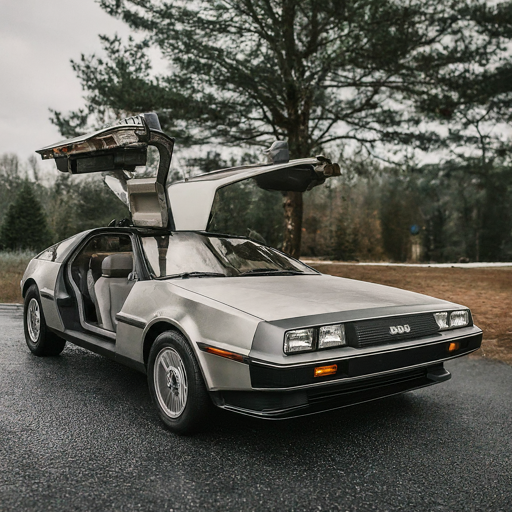
The Fall of the Deolorean: A Case Study in Automotive Failure

1980's delorean car

80s delorean


The DeLorean DMC-12, often simply referred to as “the DeLorean,” is a car that needs no introduction. Immortalized in the ‘Back to the Future’ movie franchise, this time-traveling machine has seared itself into popular culture. But beyond the silver screen’s glitz and glam, the DeLorean company experienced a harsh reality ending in failure. Let’s delve into why that happened.

**Poor Performance and Quality**

Despite its futuristic design and unique stainless steel body, the DeLorean was far from perfect. The PRV (Peugeot-Renault-Volvo) engine it used was neither powerful nor reliable, which led to lackluster performance that failed to deliver on its sports car image. Also, its unique non-painted stainless steel body required specialized care for maintenance and repair.

**High Cost**

The initial projected price for the DeLorean was $12,000 — hence its name DMC-12. However, by the time it hit the market in 1981, inflation and cost overruns had driven the price up to $25,000 (nearly $70k in today’s dollars), putting it out of reach for many potential buyers.

**Company Management**

John Z. DeLorean’s management style was often criticised. He is said to have focused more on seeking publicity rather than overseeing production quality or controlling escalating costs. Coupled with his legal troubles involving a highly-publicized drug trafficking case in 1982, these factors tarnished not only his image but also that of his eponymous car company.

**Economic Conditions**

The early 1980s were marked by economic uncertainty with a recession hitting both the US and UK economies hard. This made consumers reluctant to make big-ticket purchases like sports cars.

**Production Delays**

While initially promising, production of the DeLorean was plagued with delays. By the time the first production units rolled out in 1981,the market was already saturated with similar sports cars from established brands such as Porsche and Chevrolet. This reduced the DeLorean’s novelty and potential market impact.

In conclusion, while the DeLorean DMC-12 holds a certain nostalgic fascination as a cultural icon, its downfall serves as a cautionary tale for businesses. It illustrates that success hinges on more than just innovative design or publicity stunts. Sound management practices, quality control, timely product delivery, and a keen awareness of market conditions are equally, if not more important, to achieve sustainable success.

Despite its failure, the DeLorean story continues to inspire entrepreneurs and dreamers alike. It is a potent reminder of what can happen when we dare to imagine big – even though reality might not always match up to our dreams.

Arcades of the 80s

The 1980s were the era of arcades, a golden period of amusement where technology, creativity, and social interaction converged in dynamic and unprecedented ways. These establishments were more than mere buildings filled with electronic games; they represented the dawn of a new age – an epoch defined by digitalized entertainment and growing connectivity. The following essay aims to paint a vivid picture of the iconic 80s arcades.

In the heart of every city or town resided at least one buzzing arcade – a haven for youthful enthusiasm and emerging culture. Frameworks adorned with vibrant neon signs emerged through clouds of cigarette smoke, drawing game-thirsty individuals to their threshold. Their entrances acted as portals into realms of flashing lights and synthesized sounds that bewitched patrons upon entry.

From Pac-Man to Space Invaders, Donkey Kong to Galaga – these were not just games; they were cultural icons that shaped societal norms during this era. They promised players thrilling alternate realities, where every quarter dropped into their coin slots bought another trip into a universe teeming with infinite possibilities.

The layout within these arcades drew influence from sensory overload aesthetics – rows upon rows of face-to-face cabinets immersed gamers in fictional worlds. Each machine was more than just metal, glass, and electronic components; they were vibrant canvases reflecting Pop Art aesthetics. Pixels dancing across screens entranced players as they navigated through their digital landscapes under harsh fluorescent lights.

These machines stood like monoliths against the backdrop of wallpapered murals depicting space battles and fantasy landscapes. Their joystick controls and large buttons hinted at simplicity while demanding skillful navigation – an ode to finesse over complexity.

Sound was vital to this experience – cascading layers from different machines created an almost symphonic backdrop echoing through these establishments – heightening senses with chirps, beeps, booms emanating from games mid-play – fostering immersion in excitement.

Yet beyond serving as arenas for virtual conquests, these arcades also acted as social watering holes. They were the haunts of a wide demographic spanning different age groups and walks of life: enthusiastic children, competitive teenagers, adults seeking solace from mundane routine. The arcade culture fostered camaraderie, as players huddled around machines, cheering on peers or sizing up competitors. High scores transformed ordinary gamers into local legends whose names shone brightly atop the leaderboards.

Arcades incorporated snack bars and seating areas where players mingled between games. The scent of buttery popcorn mixed with the tangy fizz of cola creating an intoxicating concoction synonymous with these spaces.

Arcades also played host to some of the decade’s most colorful fashion trends: acid-washed jeans, neon colors, oversized sweaters – a sensory feast reflecting the boldness and vibrancy of 80s pop culture.

Despite being technology-driven entities, 80s arcades had a rawness to them – they existed in physical space and time. Coins clinking in machines symbolized a tactile link between individuals and their digital avatars on screens. The physicality extended to furious joystick maneuvers and button smashing – blistered fingers often badges of honor attesting hours well spent.

In essence, arcades encapsulated everything that was wild and wonderful about the 80s. They were the crucibles where technology met creativity – providing an escape into digital fantasy while fostering real-life community connections.

In retrospect, 80s arcadeseems like intriguing mixtures of contradictions – they embodied inclusivity in exclusivity; brought together solitary interaction within bustling crowds; allowed for individual victories through collective celebration; manifested simplicity within complex narratives. They were indulgent yet innocent; mystical yet tangible – walking paradoxes echoing with the spirit and dynamism of the decades that bore them.

As we live through times defined by virtual reality and augmented reality experiences, it is crucial not to forget these foundations laid during this golden era – the 1980s arcade epoch, where the seeds for today’s digital entertainment were first sowed. The sheer joy of gaming, shared excitement, and most importantly, the sense of community fostered in these arcades remains unmatched – an enduring testament to their timeless appeal.